


Adult patient discussing ADHD concerns at Refresh TMS Weston

ADHD Treatment in Weston, FL

Regain Your Focus and Clarity

Common In:Adults 18+
Primary Causes:Genetics, Neurobiology, Environment
Treatment Time:30-60 minutes
Results:2 to 6 weeks
Close-up of adult reflecting on focus challenges at Refresh TMS

What Is ADHD?

Recognizing the Signs

Attention-deficit/hyperactivity disorder (ADHD) is a neurodevelopmental condition characterized by persistent patterns of inattention, hyperactivity, and impulsivity that interfere with daily functioning. In adults, ADHD often presents differently than in children, with symptoms shifting toward internal restlessness, difficulty with organization, and challenges sustaining focus on tasks.

When you find yourself unable to concentrate during important meetings, losing track of conversations, or starting multiple projects without finishing any of them, you may be experiencing the hallmark signs of adult ADHD. These patterns go beyond occasional forgetfulness and represent a consistent disruption in your ability to manage daily responsibilities.

Many adults describe feeling like they are "always behind" or "never reaching their potential," despite putting in significant effort. The frustration of knowing what needs to be done but being unable to follow through can affect your career, relationships, and self-esteem in ways that accumulate over time.

Illustration of brain neurotransmitter pathways at Refresh TMS Weston

Why ADHD Happens

Understanding the Root Causes

ADHD originates from differences in brain structure and neurochemistry, particularly in regions responsible for executive function. Research shows that the prefrontal cortex, which governs attention, planning, and impulse control, develops differently in individuals with ADHD, with studies indicating approximately 3-5% smaller volume in key regulatory areas compared to neurotypical adults.

These structural differences lead to dysregulation of dopamine and norepinephrine, two neurotransmitters essential for sustaining attention and motivation. When these chemical messengers are not produced or recycled efficiently, the brain struggles to filter distractions, prioritize tasks, and maintain the consistent focus required for complex activities.

ADHD is among the most heritable psychiatric conditions, with genetic factors accounting for approximately 74% of the variance in symptoms. Multiple genes involved in dopamine receptor sensitivity and neurotransmitter transport contribute to the condition, which is why ADHD frequently runs in families and often persists from childhood into adulthood.


Diagram showing prefrontal cortex function at Refresh TMS

Executive Function & the Prefrontal Cortex

How Brain Chemistry Affects Daily Performance

The prefrontal cortex serves as the brain's command center for executive functions, including working memory, cognitive flexibility, and self-regulation. In adults with ADHD, this region shows reduced activation during tasks requiring sustained attention, which explains why individuals often report difficulty staying on track despite genuine effort and motivation.

Dopamine plays a critical role in the brain's reward and motivation circuitry. In ADHD, dopamine transporter proteins reuptake dopamine too quickly, leaving insufficient amounts available at the synapse. This rapid clearance reduces the signal strength between neurons, making it harder to maintain engagement with tasks that do not provide immediate stimulation or reward.

The impact of these neurobiological differences extends beyond attention alone. Emotional dysregulation, a frequently overlooked aspect of adult ADHD, results from the same prefrontal dysfunction. Many adults with ADHD experience intense emotional reactions, difficulty managing frustration, and mood fluctuations that can be mistaken for other conditions such as anxiety or depression.

Lifestyle factors affecting ADHD symptoms at Refresh TMS Weston

What Contributes to ADHD Symptoms?

Identifying Your Triggers

01

Genetic Predisposition

ADHD is highly heritable, with multiple genes affecting dopamine receptor function and neurotransmitter regulation passed through family lines.

02

Neurochemical Imbalance

Dysregulated dopamine and norepinephrine pathways reduce the brain's ability to sustain attention, manage impulses, and maintain motivation.

03

Sleep Disruption

Poor sleep quality and irregular sleep patterns significantly worsen inattention, impulsivity, and emotional reactivity in adults with ADHD.

04

Chronic Stress

Ongoing stress depletes the same neurotransmitter systems already compromised in ADHD, amplifying difficulty with focus and organization.

05

Co-Occurring Conditions

Anxiety, depression, and substance use frequently accompany ADHD, compounding cognitive challenges and complicating accurate diagnosis.

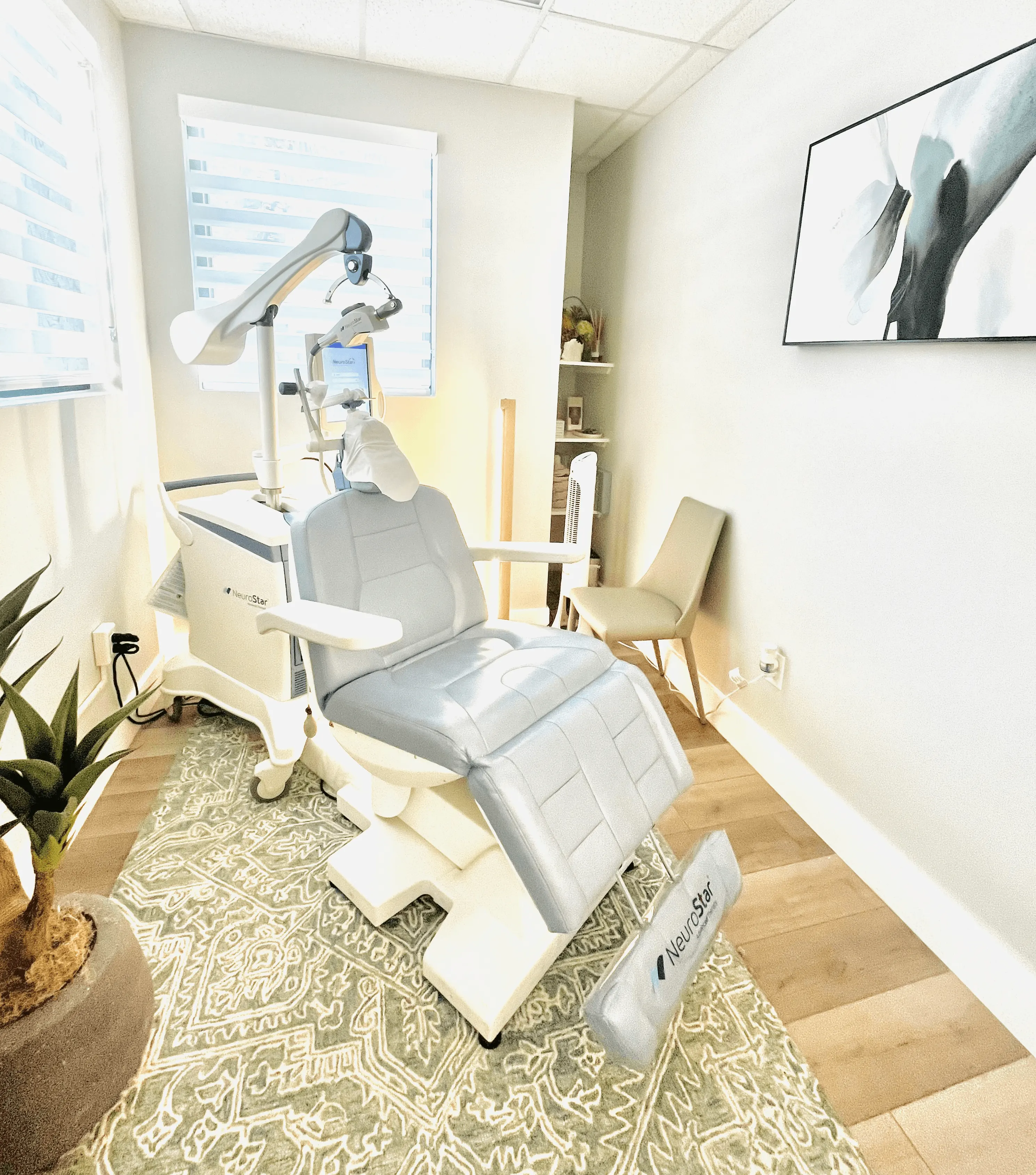
Refresh TMS clinic interior in Weston Florida

Why Choose Refresh TMS

Expert Care in Weston

  • Board-Certified Psychiatrist
  • Comprehensive Evaluation
  • Personalized Medication Plans

Treatment Options Comparison

Finding Your Best Approach

Treatment Best For Session Time Results Timeline Maintenance
Psychiatric Medication Management Core symptom control 30-45 min 2-6 weeks Monthly follow-ups
Pharmacogenomic Testing Optimizing medication choice 15 min (cheek swab) Results in 1-2 weeks One-time test
Individual Therapy Behavioral strategies & coping 45-60 min 4-8 weeks Weekly sessions
Telepsychiatry & Online Psychiatry Convenient ongoing care 30-45 min 2-6 weeks Monthly follow-ups
Adult concerned about attention difficulties at Refresh TMS

You May Be Experiencing ADHD If...

Recognizing When to Seek Help

  • Difficulty Focusing
  • Chronic Disorganization
  • Procrastination Patterns
  • Emotional Reactivity
  • Restlessness & Fidgeting

Frequently Asked Questions

About ADHD

01 What are the symptoms of ADHD in adults?

Adult ADHD symptoms typically include persistent difficulty concentrating, chronic disorganization, forgetfulness, impulsivity, restlessness, and trouble completing tasks. Adults often experience more internal restlessness and emotional dysregulation than the overt hyperactivity commonly seen in children.

02 How is ADHD diagnosed?

Diagnosis involves a comprehensive psychiatric evaluation that reviews your symptom history, developmental background, and current functioning. Dr. Francis conducts a thorough clinical interview and may use standardized rating scales to assess the severity and impact of your symptoms across multiple areas of life.

03 What medications are used to treat ADHD?

Common ADHD medications include stimulants such as methylphenidate and amphetamine-based formulations, as well as non-stimulant options like atomoxetine and guanfacine. Through Psychiatric Medication Management, Dr. Francis will recommend the most appropriate option based on your symptoms, medical history, and lifestyle.

04 Can ADHD be treated without medication?

Yes, behavioral strategies through Individual Therapy can help develop organizational skills, time management techniques, and coping mechanisms. Many patients benefit most from a combined approach that includes both therapy and medication management tailored to their specific needs.

05 Do you treat ADHD in children and adolescents?

Dr. Francis primarily treats adults aged 18 and older for ADHD. Her practice focuses on adult psychiatric care, ensuring specialized attention to the unique ways ADHD presents and affects functioning in adulthood.

06 How does pharmacogenomic testing help with ADHD treatment?

Pharmacogenomic Testing analyzes your genetic makeup to identify how your body metabolizes different medications. This helps Dr. Francis select the most effective ADHD medication with fewer side effects, reducing the trial-and-error process that many patients experience.

07 Can I manage my ADHD treatment through telehealth appointments?

Yes, Refresh TMS offers Telepsychiatry & Online Psychiatry for ongoing ADHD medication management and follow-up appointments. Virtual visits provide the same quality of care with the added convenience of connecting from your home or office.

Location17110 Royal Palm Blvd, Suite 1
Weston, FL, 33326

Schedule Your Consultation

Scientific References