


Person seeking bipolar disorder treatment at Refresh TMS Weston

Bipolar Disorder Treatment in Weston, FL

Find Stability and Balance Again

Common In:Adults 18-65+
Primary Causes:Genetics, Neurochemistry, Stress
Treatment Time:30-60 minutes
Results:2-6 weeks with medication
Understanding bipolar disorder at Refresh TMS Weston

What Is Bipolar Disorder?

Recognizing the Signs

Bipolar disorder is a chronic psychiatric condition characterized by significant shifts in mood, energy, and activity levels that cycle between manic (or hypomanic) episodes and depressive episodes. These mood states go far beyond ordinary ups and downs, involving measurable changes in brain chemistry and neural circuitry that affect how you think, feel, and function in daily life.

When you experience the highs, you may feel an extraordinary surge of energy, creativity, and confidence that leads to impulsive decisions, decreased need for sleep, and racing thoughts. During the lows, you may struggle to get out of bed, lose interest in activities you once enjoyed, and feel a persistent heaviness that colors everything around you.

Many patients describe bipolar disorder as living on an emotional roller coaster where the unpredictability itself becomes exhausting. Relationships, career performance, and self-identity can all be affected, leaving you feeling like you are constantly trying to keep up with a version of yourself that keeps changing.

Illustration of brain chemistry and bipolar disorder at Refresh TMS Weston

Why Bipolar Disorder Happens

Understanding the Root Causes

Bipolar disorder has a strong genetic foundation, with heritability estimates ranging from 60% to 85% based on twin and family studies. While no single gene is responsible, multiple genetic variations affecting neurotransmitter regulation, circadian rhythm signaling, and neuronal plasticity collectively increase vulnerability to mood dysregulation.

At the neurochemical level, bipolar disorder involves disrupted balance among serotonin, dopamine, and norepinephrine systems. During manic episodes, dopamine activity surges, driving the characteristic euphoria and impulsivity. During depressive episodes, serotonin and norepinephrine signaling diminishes, leading to the profound low mood and loss of motivation that patients experience.

Research has also identified structural and functional differences in the prefrontal cortex and amygdala of individuals with bipolar disorder. These brain regions, responsible for emotional regulation and impulse control, show reduced volume and altered connectivity, which helps explain why mood episodes can feel so difficult to manage without professional treatment.


Diagram showing neurotransmitter activity in bipolar disorder at Refresh TMS

Neurotransmitter Dysregulation

How Brain Chemistry Affects Mood Stability

The brain relies on a delicate equilibrium of neurotransmitters to regulate mood, sleep, appetite, and cognitive function. In bipolar disorder, the systems governing dopamine, serotonin, and glutamate become dysregulated, creating the dramatic shifts between mania and depression that define the condition.

During manic phases, dopaminergic pathways in the mesolimbic system become hyperactive, producing the heightened reward sensitivity and risk-taking behavior characteristic of these episodes. Conversely, the hypothalamic-pituitary-adrenal (HPA) axis often shows elevated cortisol levels, linking chronic stress response to the severity and frequency of mood episodes.

Mitochondrial dysfunction, increasingly recognized in bipolar research, impairs cellular energy production in neurons. This energy deficit affects the brain's ability to maintain stable signaling patterns, making mood regulation more difficult over time and underscoring the importance of early, consistent treatment to preserve neural function.

Lifestyle factors affecting bipolar disorder at Refresh TMS Weston

What Accelerates Bipolar Disorder?

Identifying Your Triggers

01

Genetic Predisposition

Having a first-degree relative with bipolar disorder increases your risk significantly, as multiple inherited gene variants affect neurotransmitter regulation and stress response pathways.

02

Sleep Disruption

Irregular sleep patterns or chronic sleep deprivation directly destabilize circadian rhythms, which are closely linked to mood regulation in bipolar disorder.

03

Major Life Stressors

Significant life changes such as job loss, relationship difficulties, or grief can trigger manic or depressive episodes, particularly in individuals with genetic vulnerability.

04

Substance Use

Alcohol and recreational drugs alter brain chemistry and can both trigger episodes and interfere with the effectiveness of mood-stabilizing medications.

05

Hormonal Changes

Fluctuations in thyroid hormones and reproductive hormones can influence mood stability, particularly during postpartum periods or thyroid dysfunction.

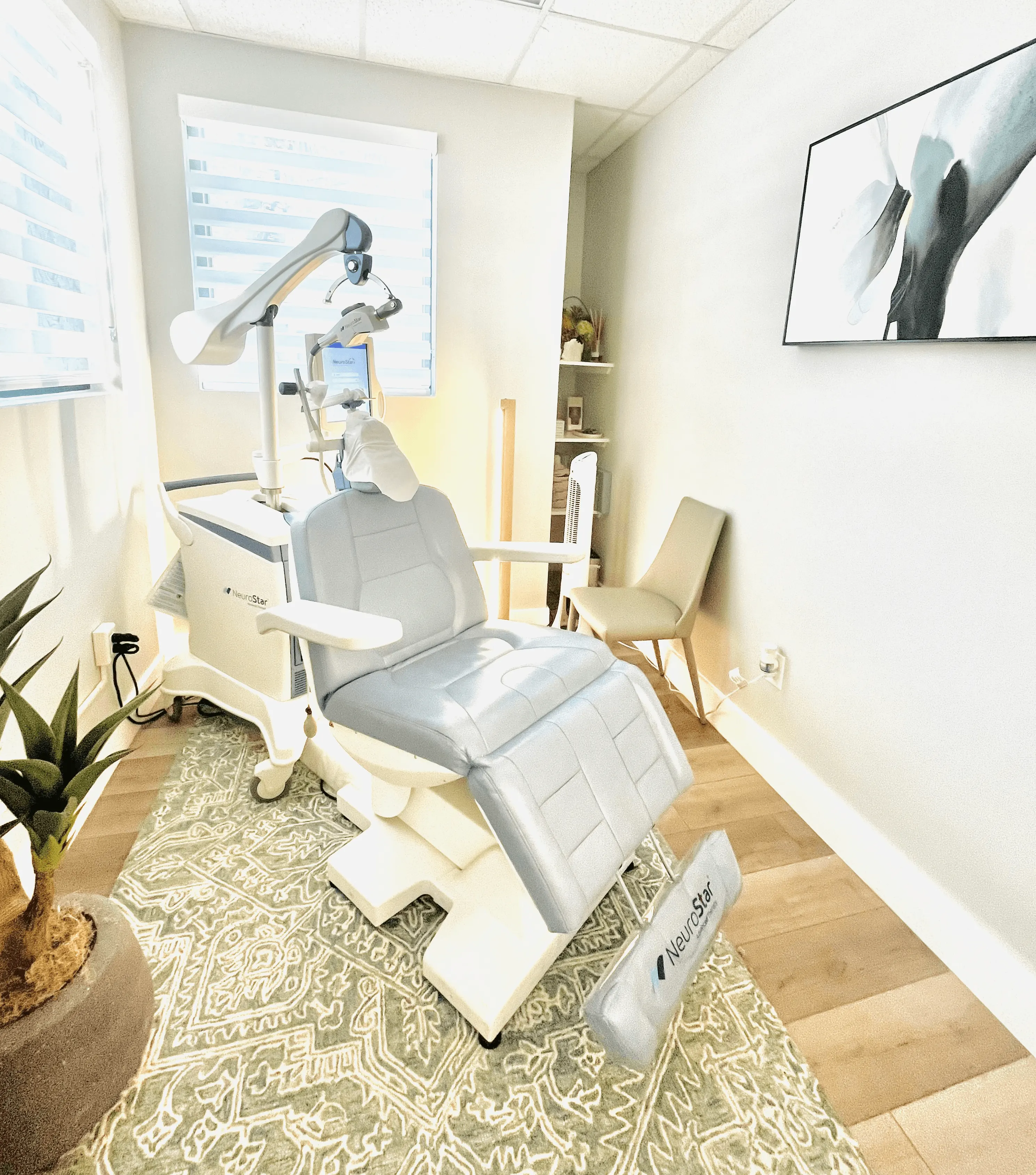
Refresh TMS clinic interior in Weston Florida

Why Choose Refresh TMS

Expert Care in Weston

  • Board-Certified Psychiatrist
  • Personalized Treatment Plans
  • Advanced Diagnostic Tools

Treatment Options Comparison

Finding Your Best Approach

Treatment Best For Session Time Results Timeline Maintenance
Psychiatric Medication Management Mood stabilization 30-45 min 2-6 weeks Ongoing
Pharmacogenomic Testing Optimizing medication choice 15-20 min 1-2 weeks for results One-time test
Individual Therapy Coping skills & insight 45-60 min 4-8 weeks Weekly to biweekly
Psychiatric Evaluation Accurate diagnosis 60-90 min Same day assessment As needed
Person concerned about mood changes at Refresh TMS

You May Be Experiencing Bipolar Disorder If...

Recognizing When to Seek Help

  • Extreme Mood Swings
  • Sleep Pattern Changes
  • Impulsive Decisions
  • Racing Thoughts
  • Relationship Strain

Frequently Asked Questions

About Bipolar Disorder

01 What are the symptoms of bipolar disorder?

Bipolar disorder involves alternating episodes of mania (elevated mood, increased energy, impulsivity, reduced need for sleep) and depression (persistent sadness, fatigue, loss of interest). The pattern, severity, and duration of episodes vary between individuals and bipolar subtypes.

02 What medications are used for bipolar disorder?

Common medications include mood stabilizers such as lithium and valproate, atypical antipsychotics, and sometimes adjunctive antidepressants when carefully monitored. Dr. Francis uses pharmacogenomic testing to help identify which medications may work best for your unique genetic profile.

03 Can bipolar disorder be managed without medication?

While therapy and lifestyle modifications are important components of bipolar disorder management, medication is typically the cornerstone of treatment for most patients. Mood stabilizers help prevent the severity and frequency of episodes in ways that therapy alone typically cannot achieve.

04 What is the difference between bipolar I and bipolar II?

Bipolar I involves full manic episodes that last at least seven days and may require hospitalization, often alternating with depressive episodes. Bipolar II involves hypomanic episodes (less severe than full mania) and more prolonged depressive episodes. A comprehensive psychiatric evaluation helps determine which subtype you may have.

05 How does therapy help bipolar disorder?

Individual therapy helps you recognize early warning signs of mood episodes, develop coping strategies, maintain medication adherence, and address relationship and lifestyle challenges. Cognitive behavioral therapy and psychoeducation are particularly effective when combined with medication management.

06 How quickly will I see improvement with treatment?

Many patients begin noticing mood stabilization within two to six weeks of starting medication, though finding the optimal medication regimen may take longer. Therapy benefits typically build over four to eight weeks of consistent sessions. Dr. Francis monitors your progress closely to adjust treatment as needed.

07 When should I see a psychiatrist about mood swings?

If your mood shifts are affecting your relationships, work performance, sleep patterns, or daily functioning, or if you have experienced episodes of impulsive behavior or prolonged depression, a psychiatric evaluation can provide clarity and a path forward.

Location17110 Royal Palm Blvd, Suite 1
Weston, FL, 33326

Schedule Your Consultation

Scientific References