


Person seeking depression treatment at Refresh TMS Weston

Depression Treatment in Weston, FL

Reclaim Your Joy and Well-Being

Common In:Adults 18-65+
Primary Causes:Neurochemical, Genetic, Environmental
Treatment Time:19-37 minutes per session
Results:2-6 weeks
Understanding depression symptoms at Refresh TMS Weston

What Is Depression?

Recognizing the Signs

Major depressive disorder is a clinical mood condition characterized by persistent feelings of sadness, hopelessness, and a marked loss of interest in activities that once brought pleasure. It involves measurable changes in brain chemistry, particularly in serotonin, norepinephrine, and dopamine pathways, affecting how you think, feel, and function in daily life.

When you notice that getting out of bed feels overwhelming, that meals have lost their appeal, or that activities you once enjoyed now feel meaningless, you may be experiencing the hallmark signs of depression. These changes often develop gradually, making it difficult to recognize when normal sadness has shifted into something more persistent.

Many patients describe depression as living behind a heavy veil that mutes everything, from emotions and motivation to relationships and career performance. The condition can make you feel isolated even in a room full of people, and many find themselves withdrawing from the connections that matter most.

Illustration of neurochemical changes in depression at Refresh TMS Weston

Why Depression Happens

Understanding the Root Causes

Depression originates from disruptions in the brain's neurotransmitter systems. Under normal conditions, chemical messengers like serotonin and norepinephrine regulate mood, sleep, and motivation through a balanced signaling network. Research shows that approximately 1 in 5 adults in the United States experiences depression at some point in their lifetime, making it one of the most prevalent mental health conditions worldwide.

When these neurotransmitter systems become dysregulated, the prefrontal cortex and limbic system, regions responsible for emotional processing and executive function, begin to communicate less effectively. This breakdown creates a cascade of symptoms including persistent low mood, difficulty concentrating, disrupted sleep patterns, and changes in appetite that characterize major depressive disorder.

The hypothalamic-pituitary-adrenal (HPA) axis, which governs your body's stress response, also plays a significant role. Chronic activation of this system elevates cortisol levels, which can physically alter brain structure over time, reducing the volume of the hippocampus and further impairing the brain's ability to regulate mood and form new memories.


Diagram showing brain neuroplasticity changes at Refresh TMS Weston

Neuroplasticity & Depression

How Brain Structure Changes With Mood

Neuroplasticity refers to the brain's ability to reorganize and form new neural connections throughout life. In a healthy brain, this process supports learning, memory, and emotional resilience. However, prolonged depression impairs neuroplasticity, reducing the brain's capacity to adapt and recover from stress.

Brain-derived neurotrophic factor (BDNF), a protein essential for neuron survival and growth, is consistently found at lower levels in individuals with depression. This reduction in BDNF contributes to the shrinkage of neural circuits in the prefrontal cortex and hippocampus, regions critical for mood regulation, decision-making, and emotional processing.

Modern treatments like TMS therapy work by directly stimulating these underactive brain regions, promoting the release of BDNF and encouraging the formation of new synaptic connections. This neurobiological approach helps explain why treatments targeting brain circuitry can produce lasting improvements even when traditional medications have not been effective.

Lifestyle factors contributing to depression at Refresh TMS Weston

What Contributes to Depression?

Identifying Your Triggers

01

Genetic Predisposition

A family history of depression increases your risk by two to three times, as inherited variations in genes affecting serotonin transport and stress response can make you more vulnerable.

02

Neurochemical Imbalances

Disruptions in serotonin, norepinephrine, and dopamine signaling pathways alter how your brain processes emotions, motivation, and reward, contributing to persistent low mood.

03

Chronic Stress

Prolonged exposure to work pressure, financial strain, or relationship difficulties keeps cortisol levels elevated, gradually wearing down the brain's capacity for emotional resilience.

04

Traumatic Experiences

Past trauma, including childhood adversity, loss, or significant life disruptions, can rewire stress response circuits and create lasting vulnerability to depressive episodes.

05

Medical Conditions

Chronic pain, thyroid disorders, hormonal changes, and neurological conditions can directly affect brain chemistry and increase the likelihood of developing depression.

06

Social Isolation

Limited social connection reduces the brain's production of oxytocin and endorphins, protective neurochemicals that buffer against depressive symptoms and promote emotional well-being.

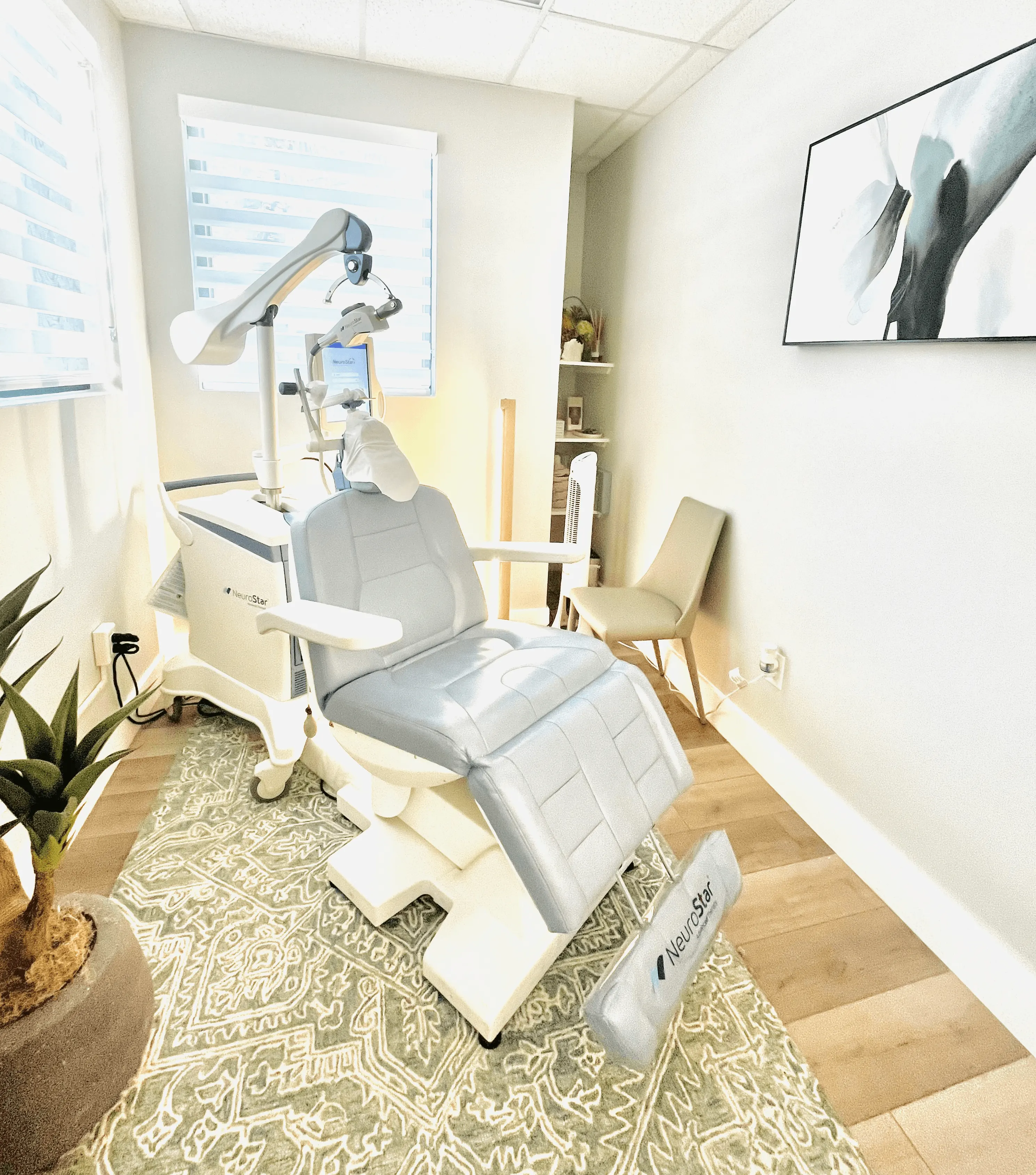
Refresh TMS clinic interior in Weston Florida

Why Choose Refresh TMS

Expert Care in Weston

  • Board-Certified Psychiatrist
  • Advanced TMS Technology
  • Comprehensive Treatment Options
  • Spa-Like Healing Environment

Treatment Options Comparison

Finding Your Best Approach

Treatment Best For Session Time Results Timeline Maintenance
Individual Therapy Mild to moderate depression 45-60 minutes 4-8 weeks Weekly sessions
Psychiatric Medication Management Moderate to severe symptoms 15-30 minutes 2-6 weeks Monthly follow-ups
TMS Therapy Treatment-resistant depression 19-37 minutes 4-6 weeks As needed
Pharmacogenomic Testing Optimizing medication selection One-time test Results in 1-2 weeks One-time assessment
Person recognizing signs of depression at Refresh TMS Weston

You May Be Experiencing Depression If...

Recognizing When to Seek Help

  • Persistent Sadness
  • Lost Interest
  • Exhaustion Without Cause
  • Concentration Difficulties
  • Sleep Disruption
  • Withdrawal From Others

Frequently Asked Questions

About Depression

01 What are the symptoms of depression?

Common symptoms include persistent sadness, loss of interest in activities, fatigue, difficulty concentrating, changes in sleep and appetite, feelings of worthlessness, and withdrawal from social activities. If these symptoms persist for two weeks or more, it may indicate major depressive disorder.

02 What is the best treatment for depression?

The most effective approach depends on your individual symptoms and history. Many patients benefit from a combination of therapy and medication management. For those who haven't responded to traditional treatments, TMS Therapy offers an FDA-cleared alternative that targets brain circuits directly.

03 When should I see a psychiatrist for depression?

Consider scheduling a psychiatric evaluation if your symptoms persist for more than two weeks, interfere with daily functioning, or include thoughts of self-harm. A board-certified psychiatrist can provide a comprehensive diagnosis and develop a treatment plan tailored to your specific needs.

04 What if antidepressants are not working?

Approximately 30% of patients with depression do not respond adequately to initial medication. Pharmacogenomic Testing can identify how your body metabolizes specific medications, helping guide more effective prescribing. TMS Therapy is another evidence-based option specifically designed for treatment-resistant cases.

05 Can depression be treated without medication?

Yes, Individual Therapy approaches such as cognitive behavioral therapy have strong evidence for treating depression. TMS Therapy provides a non-medication, non-invasive option that uses magnetic pulses to stimulate underactive brain regions. Your psychiatrist can help determine the best approach for your situation.

06 How long does depression treatment typically take?

Treatment timelines vary by individual and approach. Many patients notice improvement within two to six weeks of starting medication or therapy. TMS Therapy typically involves 36 sessions over six to nine weeks. Long-term management often includes ongoing therapy or medication to maintain progress.

07 Is depression related to anxiety?

Depression and anxiety frequently co-occur, with nearly half of individuals diagnosed with depression also experiencing an anxiety disorder. Both conditions involve overlapping brain circuits, which is why a comprehensive psychiatric evaluation helps identify the best treatment strategy for each individual.

Location17110 Royal Palm Blvd, Suite 1
Weston, FL, 33326

Schedule Your Consultation

Scientific References