


Person finding hope for treatment-resistant depression at Refresh TMS Weston

Treatment-Resistant Depression in Weston, FL

Find Relief When Medications Fall Short

Common In:Adults 18-65+
Primary Causes:Neurobiology, Genetics, Medication
Treatment Time:19-37 minutes per session
Results:4-6 weeks of treatment
Understanding treatment-resistant depression at Refresh TMS Weston

What Is Treatment-Resistant Depression?

Recognizing the Signs

Treatment-resistant depression (TRD) is a clinical designation for major depressive disorder that has not responded adequately to at least two different antidepressant medications taken at appropriate doses for sufficient duration. Research estimates that approximately 30% of individuals treated for depression meet criteria for TRD, making it a significant and underrecognized condition.

When you have faithfully taken your prescribed medications, attended therapy sessions, and followed your treatment plan yet still feel trapped beneath the weight of persistent sadness, exhaustion, and hopelessness, you may be experiencing treatment-resistant depression. The frustration of trying multiple medications without meaningful improvement is something many patients describe as deeply disheartening.

Living with TRD often means watching others respond to standard treatments while you continue to struggle. Many patients describe feeling misunderstood by loved ones who wonder why they cannot simply "get better," creating a profound sense of isolation that compounds the depression itself.

Neuroscience of treatment-resistant depression at Refresh TMS Weston

Why Treatment-Resistant Depression Happens

Understanding the Root Causes

The neurobiology of depression involves complex interactions among neurotransmitter systems, neural circuits, and inflammatory pathways. Standard antidepressants primarily target serotonin and norepinephrine, yet research shows that only about 50% of patients achieve remission after their first adequate medication trial, and response rates decline significantly with each subsequent attempt.

When standard medications fail, the underlying mechanisms often involve disruptions beyond simple neurotransmitter deficiency. Functional neuroimaging studies reveal that individuals with TRD frequently show altered connectivity in the dorsolateral prefrontal cortex and other mood-regulating brain regions, suggesting that the neural circuits governing emotional processing have become persistently dysregulated.

Genetic factors also play a substantial role. Variations in genes responsible for drug metabolism, receptor sensitivity, and neurotransmitter transport can make certain individuals biologically less responsive to conventional antidepressants. This pharmacogenomic variability means that what works for one patient may be fundamentally ineffective for another, regardless of dose or duration.


Brain connectivity and neural pathways related to TRD at Refresh TMS

Neural Circuit Dysfunction in TRD

How Brain Connectivity Affects Recovery

The prefrontal cortex serves as the brain's executive center, regulating emotional responses, motivation, and cognitive flexibility. In treatment-resistant depression, neuroimaging consistently shows reduced activity in the left dorsolateral prefrontal cortex (DLPFC), a region critical for positive mood regulation and the ability to disengage from negative thought patterns.

This prefrontal hypoactivity creates a cascading effect throughout interconnected brain networks. The default mode network, which governs self-referential thinking, becomes overactive, leading to the persistent rumination and self-critical thoughts characteristic of severe depression. Meanwhile, the reward circuitry centered in the nucleus accumbens shows diminished responsiveness, explaining the anhedonia that many patients with TRD describe.

Chronic depression also triggers neuroinflammatory processes that further impair neural plasticity. Elevated levels of pro-inflammatory cytokines interfere with neurogenesis in the hippocampus and weaken synaptic connections in mood-regulating pathways, creating a biological barrier to recovery that standard antidepressants may not adequately address.

Contributing factors to treatment-resistant depression at Refresh TMS Weston

What Contributes to Treatment-Resistant Depression?

Identifying Your Triggers

01

Genetic Variability

Variations in genes affecting drug metabolism (CYP450 enzymes) and serotonin receptor sensitivity can make standard antidepressants less effective for certain individuals.

02

Neurobiological Differences

Persistent alterations in prefrontal cortex activity, disrupted neural connectivity, and impaired neuroplasticity create biological barriers to medication response.

03

Comorbid Conditions

Co-occurring anxiety disorders, chronic pain, thyroid dysfunction, or substance use can diminish antidepressant effectiveness and complicate treatment response.

04

Chronic Stress Exposure

Prolonged psychosocial stress elevates cortisol levels, which can impair hippocampal function and reduce the brain's capacity to respond to pharmacological intervention.

05

Inflammatory Processes

Elevated inflammatory markers such as C-reactive protein and pro-inflammatory cytokines are frequently found in TRD patients and may interfere with neurotransmitter function.

06

Medication Factors

Inadequate dosing, insufficient trial duration, poor absorption, or drug interactions can create the appearance of treatment resistance when adjustments may improve response.

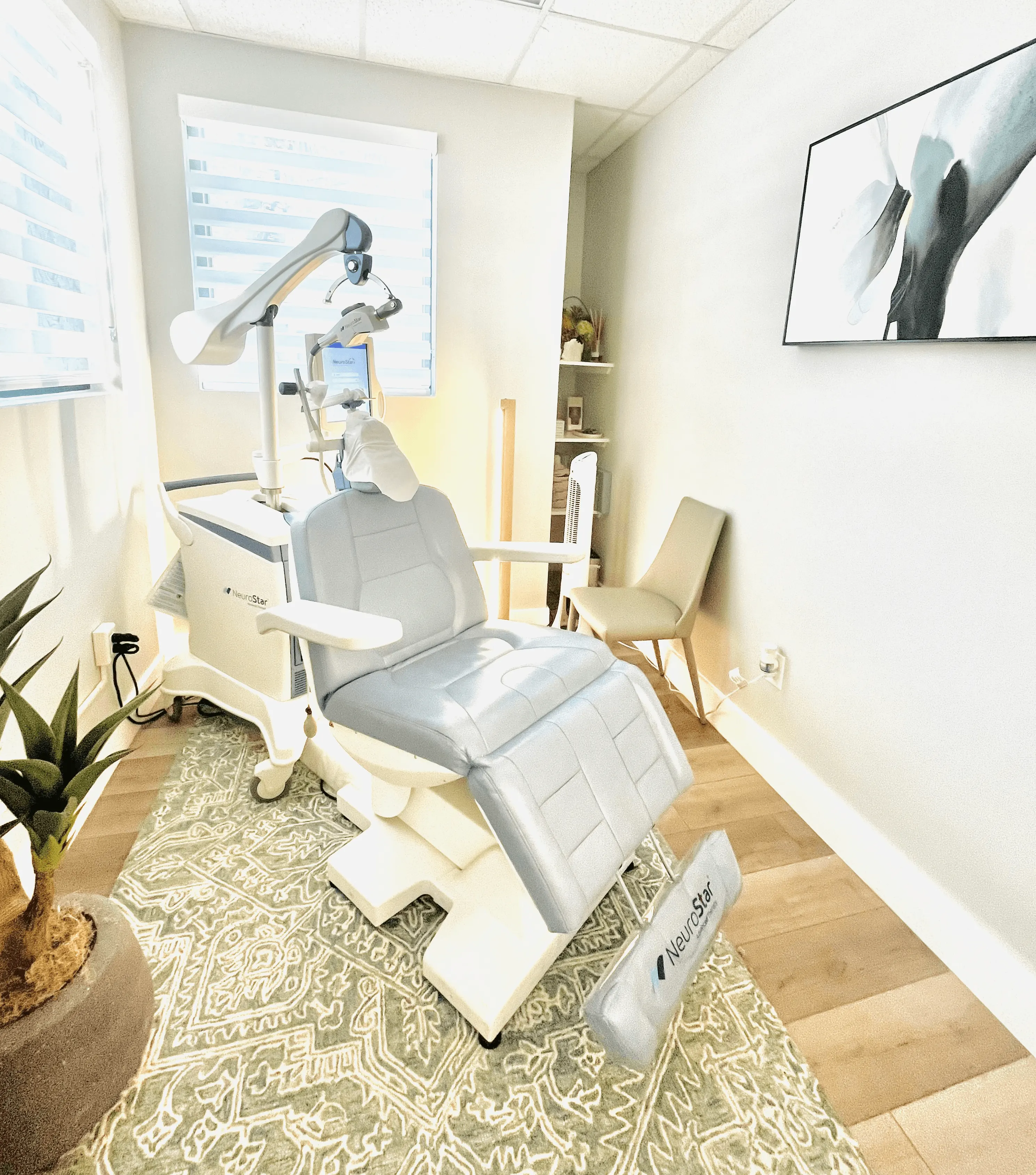
Refresh TMS clinic interior in Weston Florida

Why Choose Refresh TMS

Expert Care in Weston

  • Board-Certified Expertise
  • FDA-Cleared Technologies
  • Personalized Treatment Plans
  • Compassionate Environment

Treatment Options Comparison

Finding Your Best Approach

Treatment Best For Session Time Results Timeline Maintenance
TMS Therapy FDA-cleared TRD treatment 19-37 minutes 4-6 weeks As needed
Exomind Non-invasive brain stimulation 20-30 minutes 2-4 weeks Periodic sessions
Psychiatric Medication Management Optimizing medication regimen 30-60 minutes 4-8 weeks Ongoing follow-up
Pharmacogenomic Testing Genetic medication matching One-time test Results in 1-2 weeks One-time
Person recognizing signs of treatment-resistant depression at Refresh TMS

You May Be Experiencing Treatment-Resistant Depression If...

Recognizing When to Seek Help

  • Medication Fatigue
  • Persistent Low Mood
  • Loss of Interest
  • Cognitive Difficulty
  • Physical Exhaustion
  • Growing Hopelessness

Frequently Asked Questions

About Treatment-Resistant Depression

01 What is treatment-resistant depression?

Treatment-resistant depression (TRD) is diagnosed when a person with major depressive disorder has not responded adequately to at least two different antidepressant medications taken at proper doses for sufficient duration, typically six to eight weeks each. It affects approximately 30% of patients treated for depression.

02 How is treatment-resistant depression diagnosed?

Diagnosis involves a comprehensive psychiatric evaluation to confirm the original depression diagnosis, review medication history for adequate trials, assess adherence, and rule out contributing factors such as thyroid disorders, substance use, or co-occurring psychiatric conditions that may be complicating treatment response.

03 What are the best treatments for TRD?

Advanced options include TMS Therapy, which is FDA-cleared specifically for treatment-resistant depression, as well as medication optimization guided by pharmacogenomic testing. Many patients benefit from combining approaches, such as TMS alongside carefully adjusted medications and psychotherapy.

04 Is TMS effective for treatment-resistant depression?

Yes, clinical research demonstrates that TMS produces significant improvement in patients with TRD. Studies show response rates of approximately 60% or higher in patients who have not responded to medications, with many achieving full remission of symptoms over a standard course of treatment.

05 How quickly will I see improvement with TMS for TRD?

Many patients begin noticing gradual improvements in mood, energy, and motivation within the first two to three weeks of daily TMS sessions. Full treatment benefits typically develop over four to six weeks, with continued improvement possible after the initial course is completed.

06 Can pharmacogenomic testing help with treatment-resistant depression?

Pharmacogenomic testing analyzes your genetic profile to identify how you metabolize specific psychiatric medications. This information helps Dr. Francis select medications most likely to be effective for your unique biology, potentially reducing the trial-and-error process that characterizes many TRD treatment journeys.

07 When should I see a psychiatrist about possible treatment-resistant depression?

If you have tried two or more antidepressant medications without meaningful improvement, or if your depression symptoms persist despite consistent treatment, a psychiatric evaluation can determine whether you meet criteria for TRD and explore advanced treatment options that may provide the relief you have been seeking.

08 Can multiple treatments be combined for treatment-resistant depression?

Yes, combining treatments is often the most effective approach for TRD. For example, TMS Therapy may be used alongside optimized medication management, and pharmacogenomic testing can guide which medications to pair with neuromodulation for the best possible outcomes.

Location17110 Royal Palm Blvd, Suite 1
Weston, FL, 33326

Schedule Your Consultation

Scientific References