Consultation
Dr. Francis reviews your medication history, current symptoms, and treatment goals to determine if pharmacogenomic testing is right for you.


Genetic testing that guides medication selection for more effective, personalized psychiatric treatment with fewer side effects.

Understanding Medication Response
Finding the right psychiatric medication can feel like an exhausting process of trial and error. Many patients cycle through multiple antidepressants, mood stabilizers, or ADHD medications before finding one that works, each time enduring weeks of waiting, uncomfortable side effects, and lingering symptoms. Studies show that nearly 50% of patients do not respond adequately to their first psychiatric medication. This uncertainty takes a toll on your mental health, your daily functioning, and your confidence in treatment.
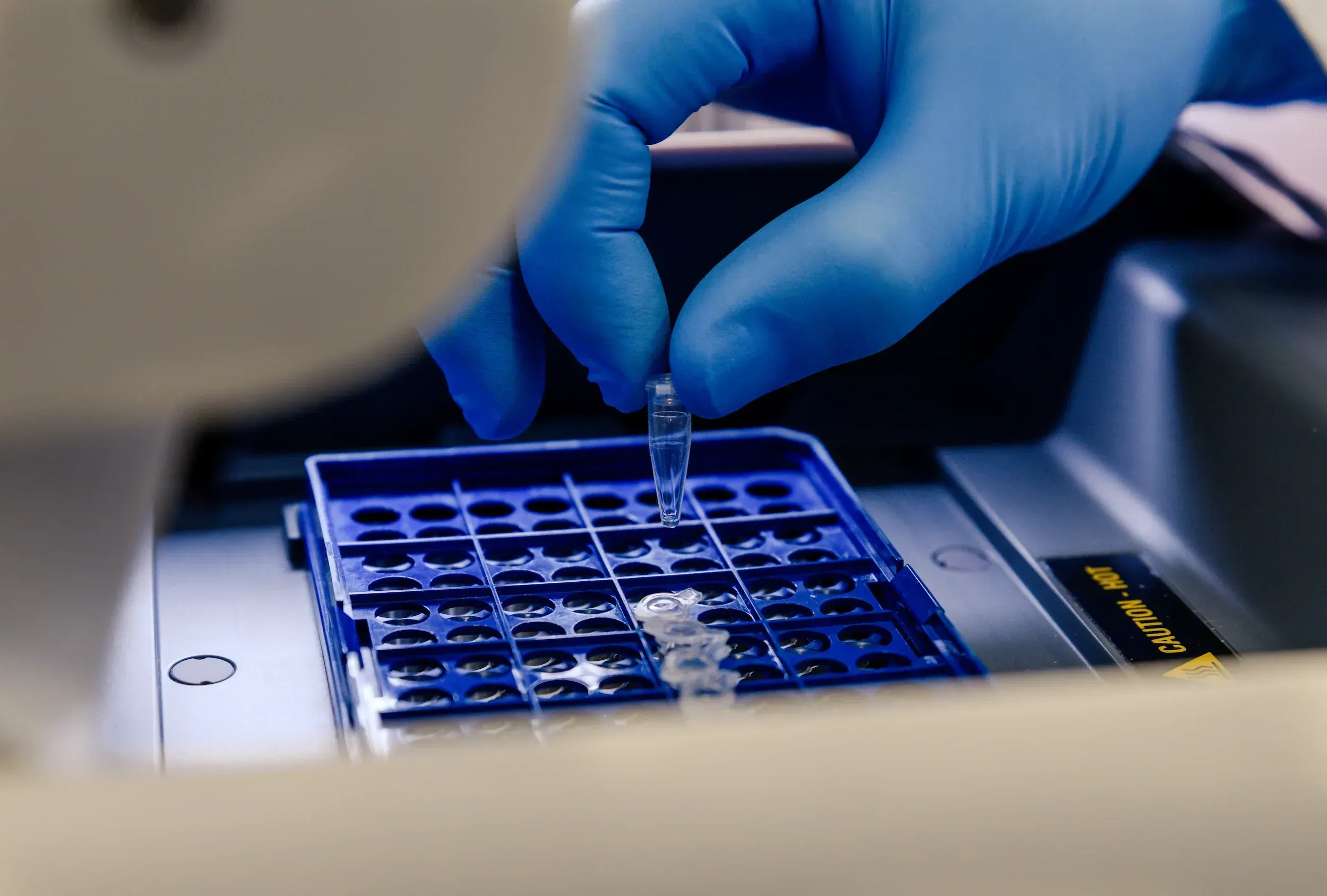
Pharmacogenomic testing removes the guesswork from medication selection by analyzing how your body processes specific drugs at the genetic level. Using a simple cheek swab, Dr. Francis can identify which medications your CYP450 enzymes metabolize normally, too quickly, or too slowly. This allows her to select medications and dosages tailored to your unique genetic profile from the start, reducing adverse effects and accelerating your path to symptom relief. The test results become a lifelong resource for all future prescribing decisions.

The Science of Genetic Prescribing
Pharmacogenomic testing is a precision medicine approach that analyzes specific genes involved in drug metabolism to predict how you will respond to psychiatric medications. The test examines variations in cytochrome P450 enzymes, including CYP2D6, CYP2C19, CYP2B6, and CYP3A4, which are responsible for metabolizing the majority of psychotropic drugs including SSRIs, SNRIs, antipsychotics, mood stabilizers, and stimulants.
Your DNA contains instructions for producing the enzymes that break down medications in your liver. Variations in these genes can make you a poor metabolizer, meaning drugs build up to potentially toxic levels, or an ultra-rapid metabolizer, meaning medications are cleared before they can take effect. A 2023 meta-analysis of 12 randomized controlled trials found that pharmacogenomic-guided prescribing improved treatment response by 46% and remission rates by 85% compared to standard prescribing.
The test itself is remarkably simple. Dr. Francis collects a painless cheek swab during your office visit, which is sent to a certified laboratory for analysis. There are no needles, no fasting, and no preparation required. You can resume all normal activities immediately.
Results are typically available within three to five business days. Your report categorizes medications into three groups: use as directed, use with caution, or use with increased caution and monitoring. These results remain valid for life since your DNA does not change, making this a one-time investment in smarter prescribing.
Precision-Guided Treatment

Narrows medication options to those most likely to work for your genetics
Identifies medications you may metabolize poorly, reducing adverse reactions
Accelerates the path to effective treatment by eliminating guesswork
Results remain valid forever since your DNA does not change over time
Guided by CPIC clinical guidelines and peer-reviewed pharmacogenomic research
Compare Your Options
| Treatment | Mechanism | Time | Results | Duration | Downtime | Best For |
|---|---|---|---|---|---|---|
| Pharmacogenomic Testing | Genetic analysis | 5-minute swab | 3-5 day turnaround | Lifetime validity | None | Medication optimization |
| Trial-and-Error Prescribing | Clinical judgment | Weeks per trial | Variable response | Per medication | None | Initial prescribing |
| Therapeutic Drug Monitoring | Blood level testing | Blood draw | Same-day levels | Per test | Minimal | Dose adjustment |

Finding Your Best Treatment Path
Pharmacogenomic testing benefits anyone who takes or is considering psychiatric medication, but it is especially valuable for patients who have not responded well to previous prescriptions or who have experienced significant side effects.
Pharmacogenomic testing is a decision-support tool that enhances clinical judgment. Dr. Francis will discuss whether testing is appropriate for your specific situation during your consultation.
Dr. Francis reviews your medication history, current symptoms, and treatment goals to determine if pharmacogenomic testing is right for you.
Using a painless cheek swab, Dr. Francis collects a DNA sample in under five minutes during your office visit.
Your sample is sent to a CLIA-certified laboratory where multiple CYP450 gene variants are analyzed against a panel of psychiatric medications.
Dr. Francis meets with you to review your pharmacogenomic report, explaining which medications align with your genetic profile and adjusting your treatment plan accordingly.
What to Know
The test itself carries virtually no physical risk. The cheek swab may cause brief, mild discomfort at the collection site, which resolves within seconds. There is no pain, bleeding, or recovery period associated with sample collection.
Pharmacogenomic testing provides valuable guidance but does not guarantee a specific medication outcome. Results reflect how your body metabolizes drugs but do not account for all factors influencing treatment response, such as drug-drug interactions, lifestyle, or the complexity of psychiatric conditions. Some gene variants have stronger clinical evidence than others, and guidelines are continually updated as research evolves.
Your genetic data is protected under the Genetic Information Nondiscrimination Act (GINA), which prohibits health insurers and employers from using genetic test results to discriminate. Dr. Francis ensures all results are handled with the same confidentiality standards as your medical records.
Pharmacogenomic testing typically ranges from $0 to $330 out of pocket depending on your insurance coverage. Many commercial insurance plans, Medicare Part B, and some Medicaid plans cover pharmacogenomic testing, particularly for patients who have experienced inadequate response to at least one psychiatric medication. Medicare Part B patients typically pay $0 out of pocket for covered testing.
Coverage varies by carrier and plan. Our team will verify your benefits before testing and provide a cost estimate. If your plan does not cover pharmacogenomic testing, most testing companies offer a self-pay price of $330 or less, with interest-free payment plans available for up to 12 months. Financial assistance programs are also available for qualifying patients based on household income.
Unlike medications that require ongoing refills, pharmacogenomic testing is a one-time investment. Your results remain valid for life and can inform all future prescribing decisions across medical specialties, potentially saving thousands of dollars in ineffective medication trials over time. Exact pricing will be discussed during your consultation based on your individual insurance and clinical situation.

Weston's Trusted Provider
Dr. Francis combines psychiatric expertise with pharmacogenomic interpretation
Test results guide medication management alongside therapy and TMS options
Spa-like setting designed to ease the stress of mental health treatment
Detailed consultation to review results and adjust your treatment plan
Your Questions Answered
Pharmacogenomic testing analyzes your DNA to determine how your body metabolizes psychiatric medications. By examining genes like CYP2D6 and CYP2C19, the test predicts which medications may work best and which may cause side effects or be ineffective for you.
The test categorizes medications into groups based on your metabolizer status: use as directed, use with caution, or use with increased monitoring. Dr. Francis uses these results alongside her clinical expertise to select medications and dosages tailored to your genetics.
Research shows pharmacogenomic-guided prescribing improves treatment response by 46% and remission by up to 85% compared to standard prescribing. While not a guarantee of success, it significantly narrows the field to medications most likely to work for you.
Many insurance plans cover pharmacogenomic testing, especially after one or more medication failures. Medicare Part B typically covers it at no cost. Our team verifies your benefits before testing so you know what to expect.
Results are typically available within three to five business days after your cheek swab. Dr. Francis schedules a follow-up consultation to review your results in detail and discuss any recommended changes to your treatment plan.
Pharmacogenetics focuses on single gene-drug interactions, while pharmacogenomics examines multiple genes simultaneously to provide a comprehensive medication profile. Modern panels like those we use at Refresh TMS take the broader pharmacogenomic approach for more complete guidance.
Absolutely. Pharmacogenomic results complement other treatments we offer, including psychiatric medication management, TMS therapy, and individual therapy. The test helps optimize your medication regimen while you pursue additional therapeutic options.
Not at all. The test requires only a simple cheek swab that takes less than five minutes. There are no needles, no blood draw, and no fasting required. You can eat, drink, and resume all normal activities immediately afterward.