Brain Mapping
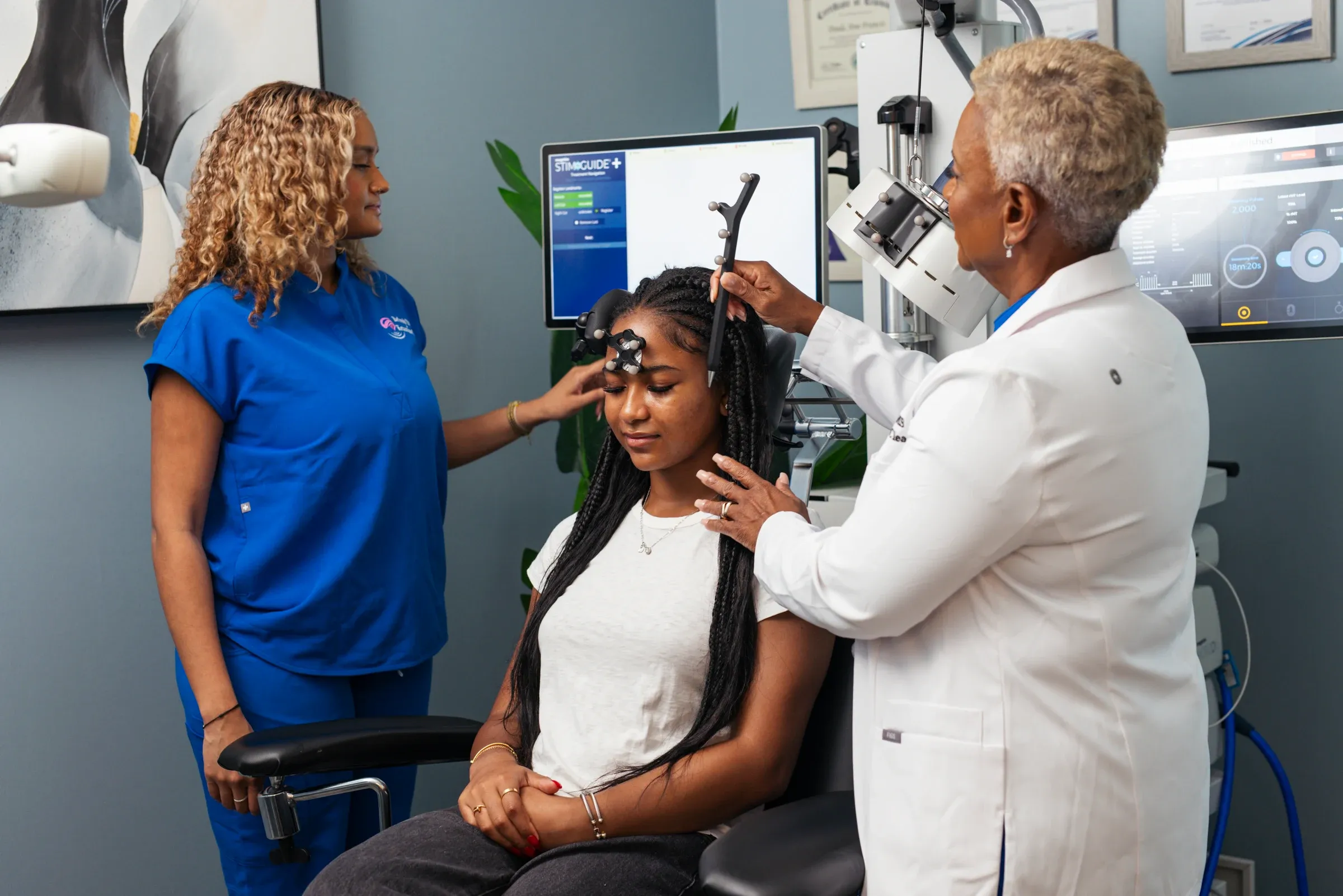
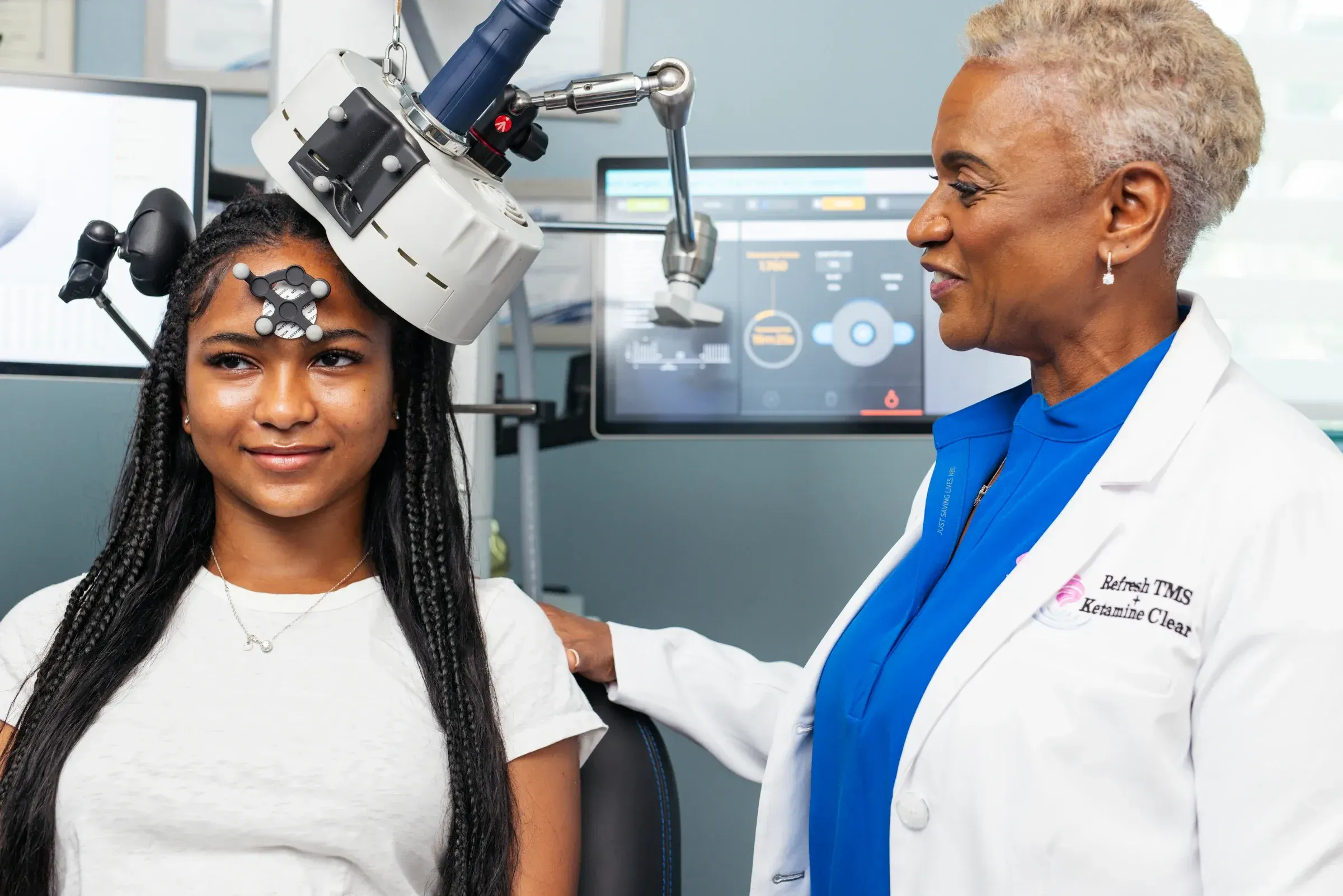
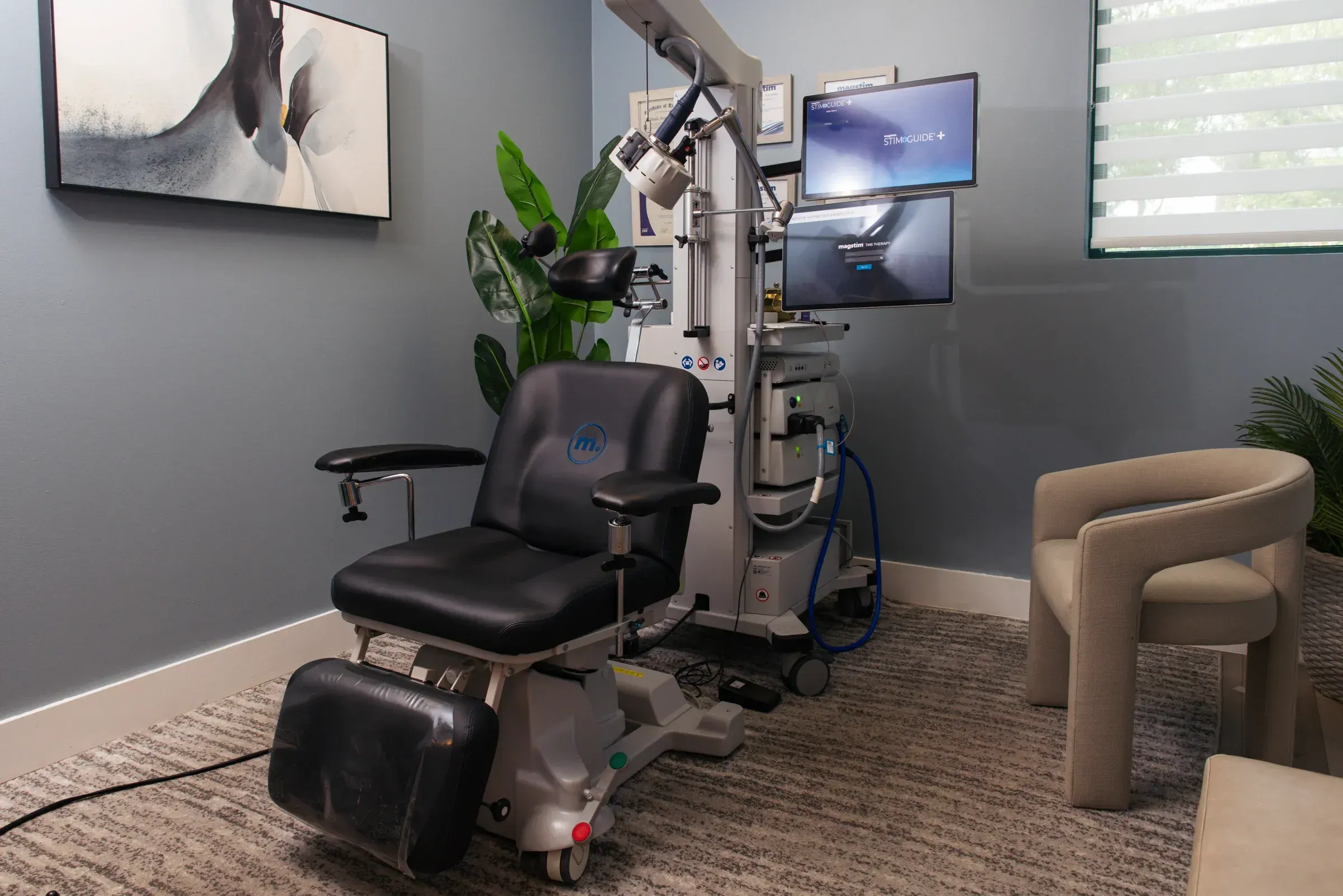
Dr. Francis uses Magstim Neuronavigation to precisely locate your motor threshold and map the optimal stimulation target on your prefrontal cortex, creating a personalized, image-guided treatment plan tailored to your brain anatomy.
Non-invasive brain stimulation therapy targeting depression, OCD, and anxiety without medication side effects.
Understanding Treatment Resistance
Living with depression that does not respond to medication can feel isolating and overwhelming. You may have tried multiple antidepressants, each with its own side effects — weight gain, fatigue, emotional numbness — only to find that your symptoms persist. Daily tasks feel insurmountable, relationships suffer, and the cycle of trying new medications and waiting weeks to see if they work becomes exhausting. Nearly one in three people with depression do not achieve adequate relief from medication alone.
Transcranial magnetic stimulation offers a fundamentally different approach. Instead of altering brain chemistry systemically through medication, TMS delivers focused magnetic pulses directly to the prefrontal cortex — the brain region responsible for mood regulation. This targeted stimulation reactivates underperforming neural circuits, gradually restoring healthy brain function. With no systemic side effects and no need for anesthesia, TMS allows you to resume your day immediately after each session while your brain begins to heal from within.
The Science of Magnetic Neuromodulation
Transcranial magnetic stimulation (TMS) is an FDA-cleared, non-invasive brain stimulation therapy that uses precisely targeted magnetic pulses to activate nerve cells in brain regions associated with mood regulation. At Refresh TMS, treatment is guided by advanced Magstim Neuronavigation technology, which allows Dr. Francis to visualize and target the exact treatment site with pinpoint accuracy for consistent, reproducible results. First cleared by the FDA in 2008 for major depressive disorder, TMS has since received additional clearances for obsessive-compulsive disorder (2018) and anxious depression (2022).
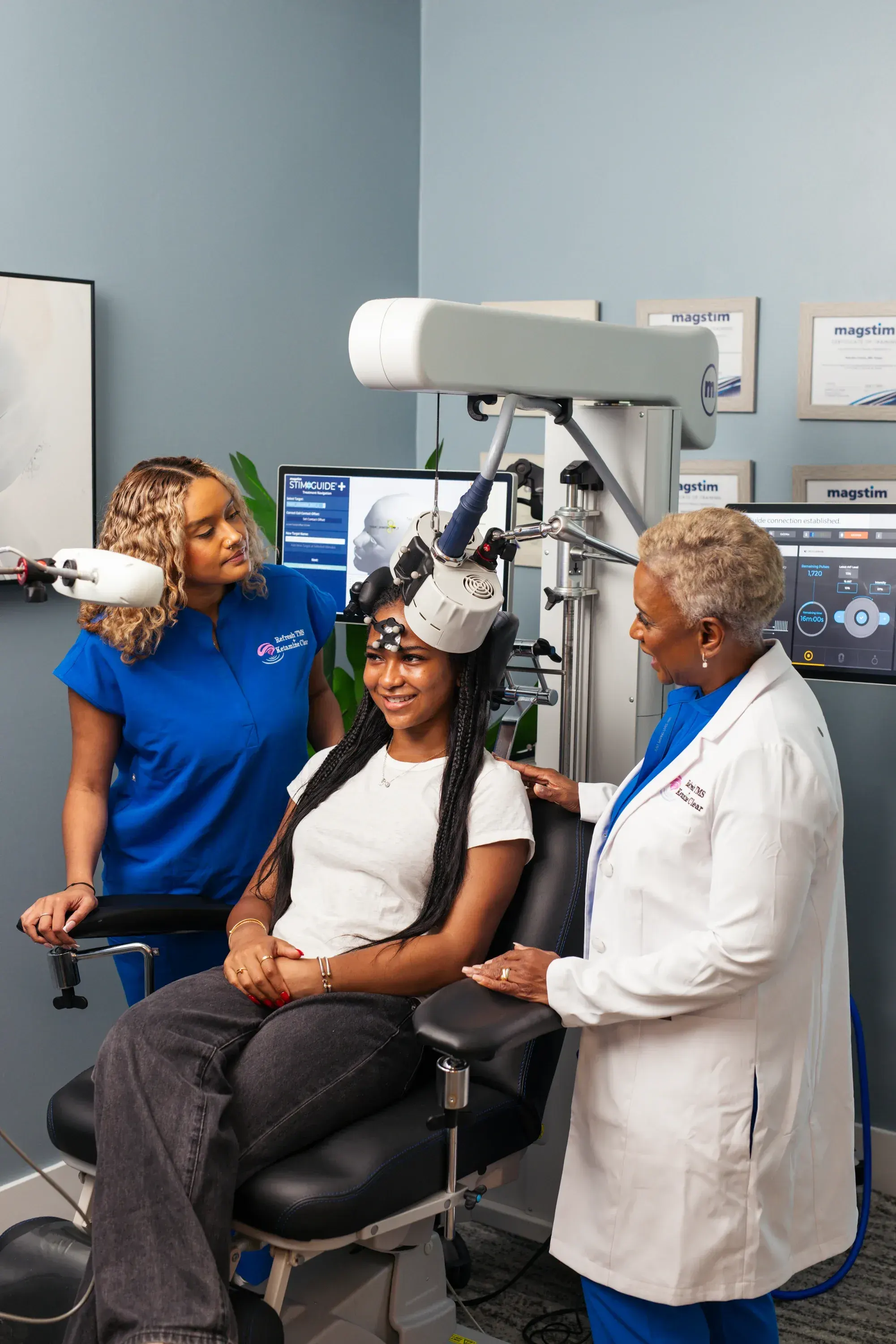
During TMS treatment, an electromagnetic coil placed against the scalp generates brief magnetic pulses that pass through the skull and stimulate neurons in the dorsolateral prefrontal cortex — a region consistently shown to be underactive in patients with depression. Magstim Neuronavigation guides precise, real-time placement of the coil over this target, helping ensure every pulse reaches the intended region and that positioning stays accurate from one session to the next. These pulses induce small electrical currents that depolarize neurons, triggering the release of neurotransmitters including serotonin, dopamine, and norepinephrine. Over the course of treatment, this repeated stimulation strengthens neural pathways and restores functional connectivity between brain regions. Clinical studies demonstrate response rates of approximately 50 to 60 percent in patients with treatment-resistant depression, with remission rates reaching 30 percent or higher.
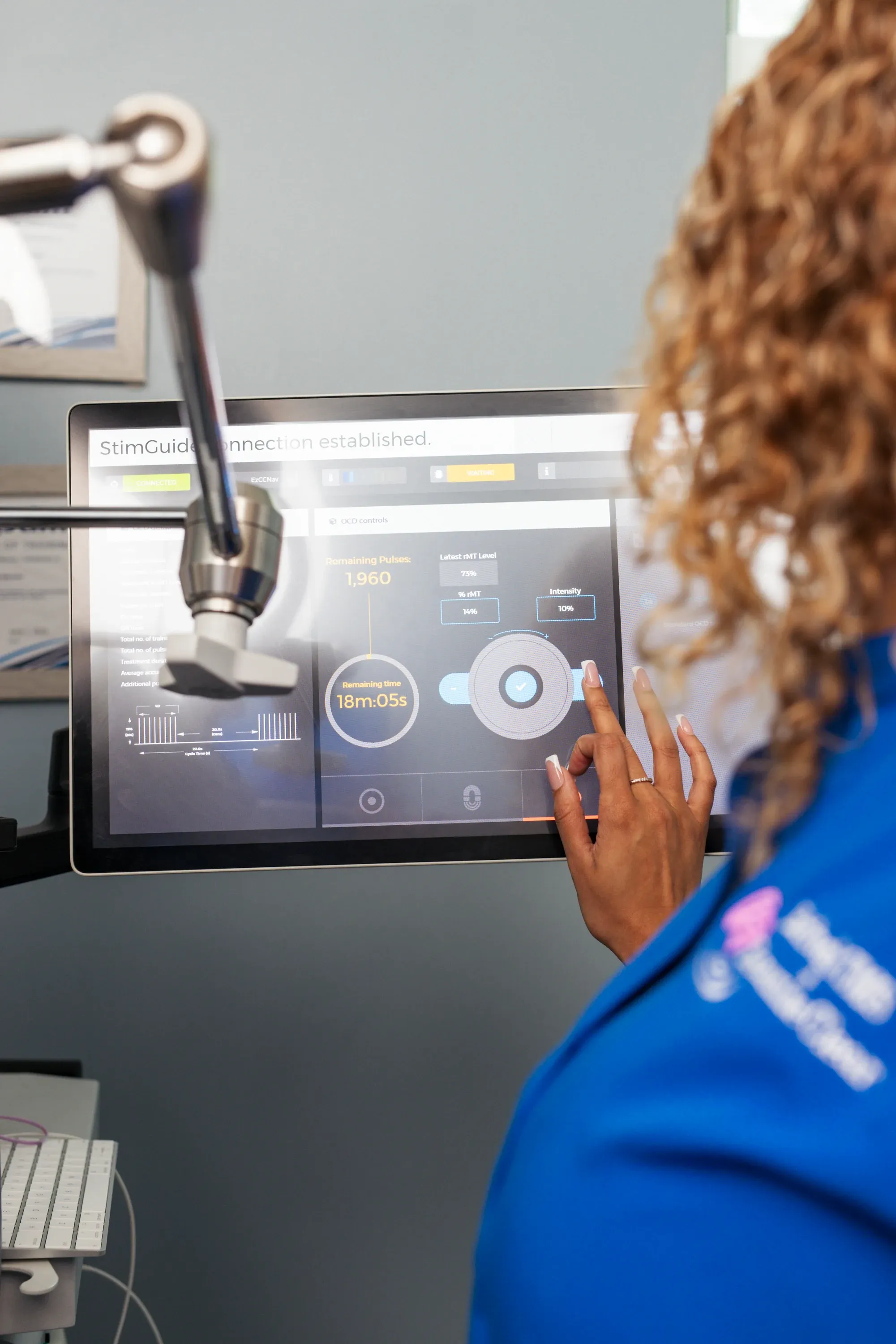
Each TMS session takes place in a comfortable treatment chair at our Weston office. You remain fully awake and alert throughout the procedure. Using Magstim Neuronavigation, we precisely map your brain to identify the optimal treatment location and lock in accurate coil positioning, then deliver rhythmic magnetic pulses. Most patients describe a tapping sensation on the scalp that becomes less noticeable over the first few sessions. There is no anesthesia, no sedation, and you can drive yourself home immediately afterward.
Many patients begin noticing improvements in mood, energy, and motivation within the first two to three weeks of treatment. Full therapeutic benefits typically develop over the complete course of 36 sessions. Clinical data shows that results can be long-lasting, with many patients maintaining improvement for 12 months or longer after completing their treatment course.
"I was desperate for something. My medications weren’t working. Nothing was working for me, I couldn’t control my anxiety and my depression. And just a couple treatments in, I was already starting to feel a difference."
Non-Invasive, Medication-Free Relief
Avoids weight gain, sexual dysfunction, and fatigue common with antidepressants
No surgery, no anesthesia, and no sedation required for any session
Return to work, driving, and daily activities immediately after each treatment
Approximately 83 percent of patients experience meaningful improvement in depression severity
Many patients maintain improvement for 12 months or longer after completing treatment
Over 15 years of clinical evidence supporting safety and efficacy across multiple conditions
Compare Your Options
| Treatment | Mechanism | Time | Results | Duration | Downtime | Best For |
|---|---|---|---|---|---|---|
| TMS Therapy | Magnetic brain stimulation | 19-37 min/session | 2-3 weeks onset | 12+ months | None | Treatment-resistant depression |
| Antidepressant Medication | Systemic neurochemistry | Daily oral dose | 4-6 weeks onset | Ongoing use | None | First-line depression |
| Electroconvulsive Therapy (ECT) | Electrical seizure induction | 5-10 min/session | 1-2 weeks onset | Varies | Hours to days | Severe, acute depression |
| Psychotherapy | Cognitive restructuring | 45-60 min/session | Weeks to months | Long-term skills | None | Mild to moderate depression |
Finding Your Path to Relief
TMS therapy is most effective for adults who have not achieved adequate relief from depression through traditional treatments. During your initial evaluation, Dr. Francis will review your complete psychiatric history to determine whether TMS is the right approach for your needs.
Standard dental work, including fillings and braces, does not affect TMS eligibility. If you have any metallic implants, Dr. Francis will evaluate your specific situation to determine safety during your consultation.
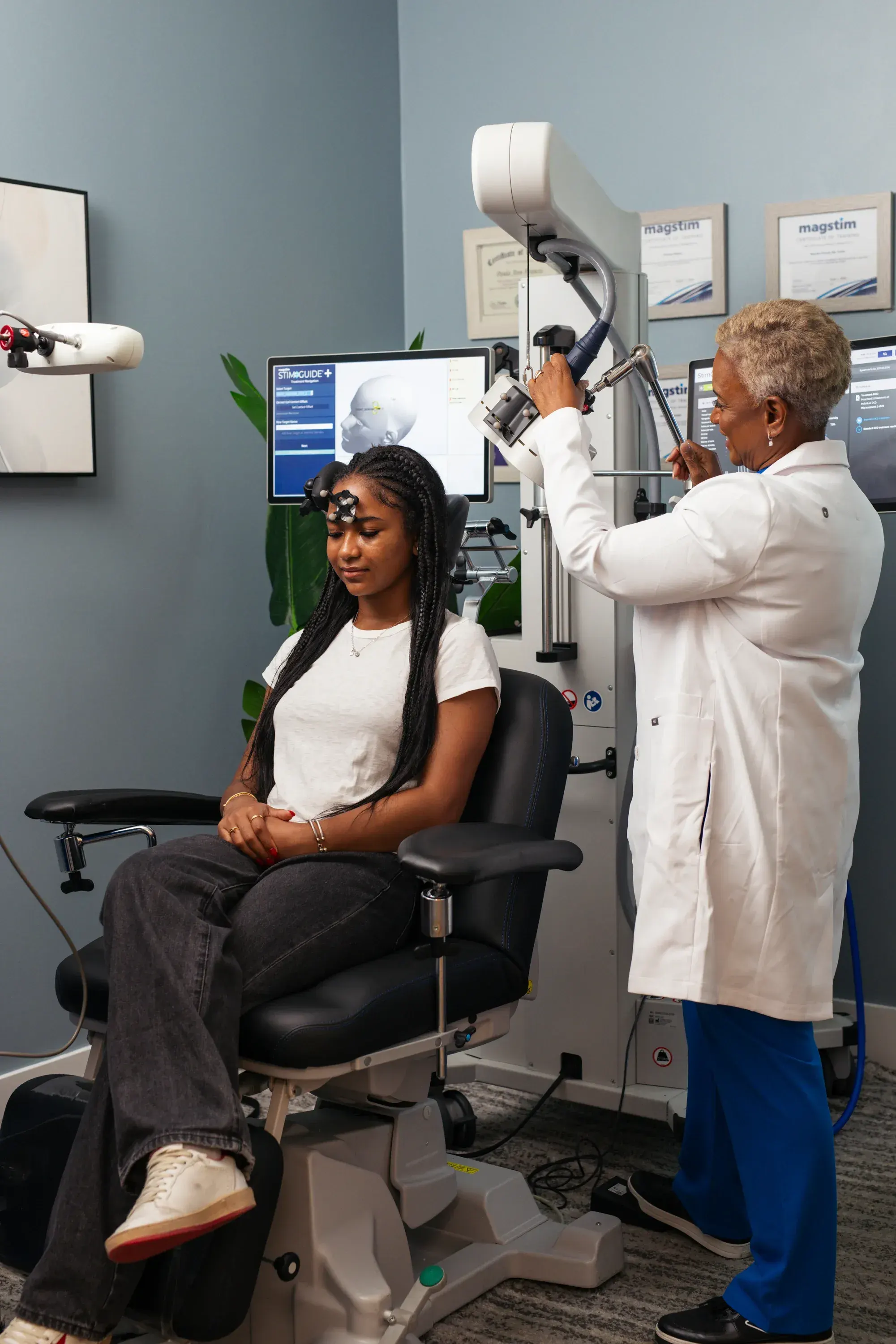
Dr. Francis uses Magstim Neuronavigation to precisely locate your motor threshold and map the optimal stimulation target on your prefrontal cortex, creating a personalized, image-guided treatment plan tailored to your brain anatomy.
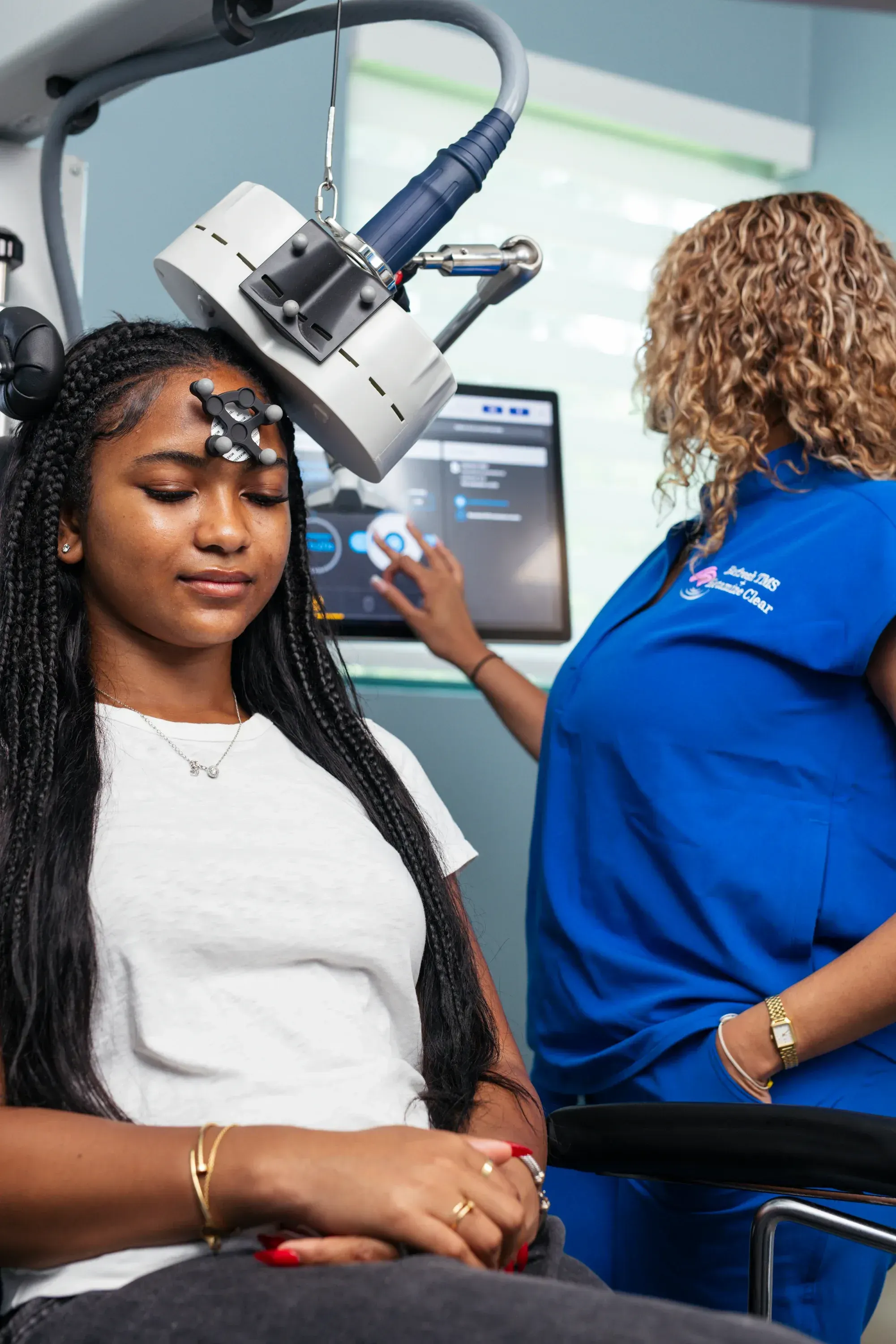
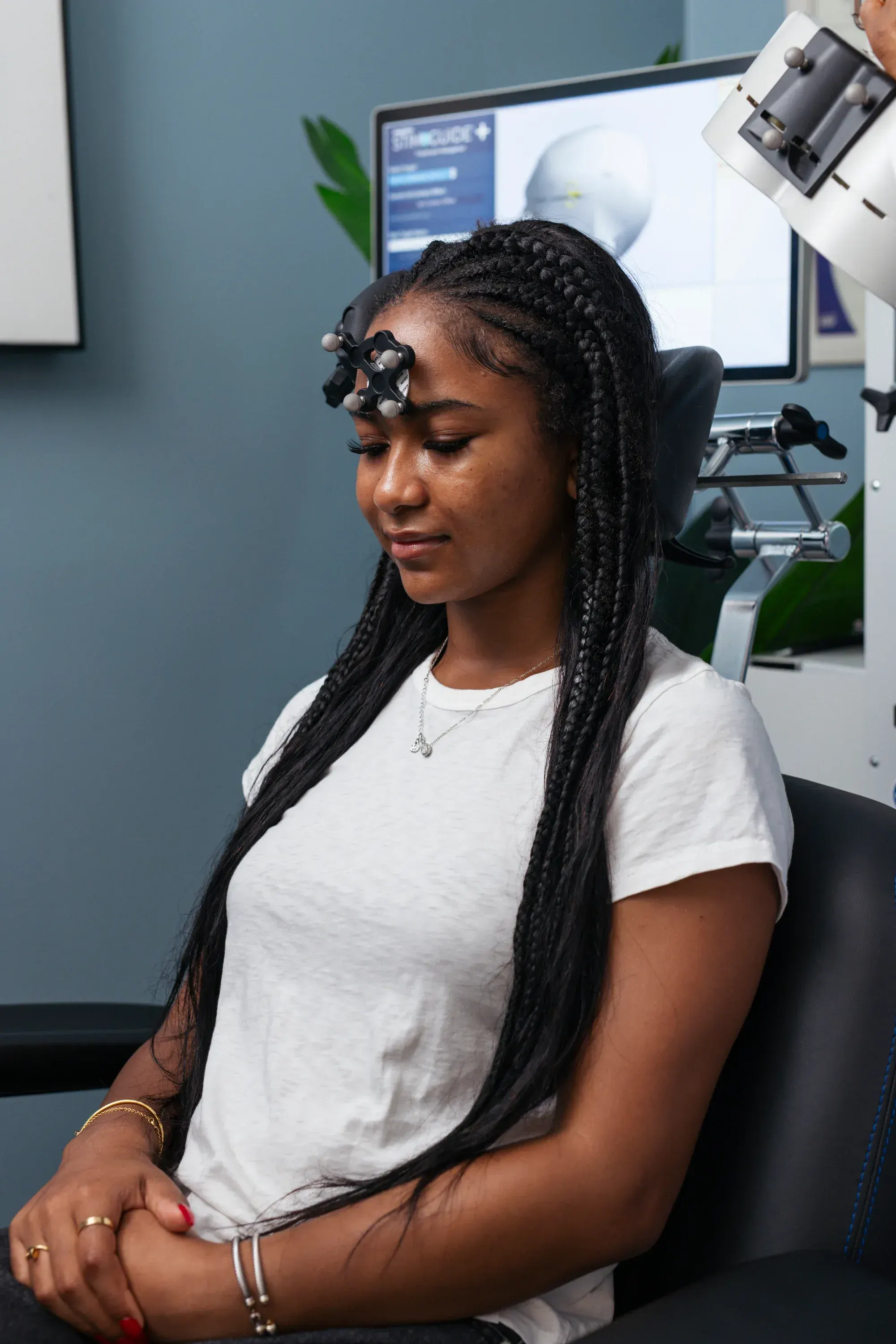
You settle into a reclining treatment chair while the TMS coil is positioned against your scalp with Magstim Neuronavigation guidance for accurate, repeatable placement. No anesthesia or sedation is needed.
The NeuroStar device delivers focused magnetic pulses in rhythmic sequences. You may feel a tapping sensation that typically diminishes over your first few sessions.
After 19 to 37 minutes, treatment concludes and you are free to drive, return to work, or continue your day without any recovery period.
What to Know
The most frequently reported side effects are mild and typically resolve within the first week of treatment. Scalp discomfort or a tapping sensation at the treatment site occurs in approximately 50 percent of patients during initial sessions and generally diminishes as treatment progresses. Mild headache may occur after sessions and typically responds to over-the-counter pain relievers. Some patients report brief lightheadedness immediately following treatment that resolves within minutes.
Seizure is the most serious potential risk associated with TMS therapy, occurring in fewer than 0.1 percent of patients — a rate comparable to or lower than many commonly prescribed antidepressants. No long-term cognitive side effects have been documented in clinical studies spanning over 15 years of use.
TMS therapy has been FDA-cleared since 2008 and has an established safety profile supported by extensive clinical research. Unlike systemic medications, TMS does not cause weight gain, sexual dysfunction, nausea, or fatigue. Dr. Francis follows all manufacturer and FDA safety guidelines, including thorough screening for contraindications before treatment begins, to ensure the highest standard of patient safety at Refresh TMS.
A standard course of TMS therapy typically consists of 36 sessions. Without insurance, individual sessions generally range from $300 to $500, with a full treatment course costing between $6,000 and $15,000 depending on the protocol and number of sessions required. Several factors influence your total cost, including your specific diagnosis, treatment protocol, and insurance coverage. Exact pricing will be discussed during your consultation based on your individual treatment plan.
Most major insurance plans cover TMS therapy for depression when medical-necessity criteria are met, typically requiring documentation that at least two antidepressant medications have not provided adequate relief. Medicare Part B also covers TMS for severe major depressive disorder. Our team at Refresh TMS handles insurance verification and prior authorization to help maximize your benefits. With insurance, most patients pay a copayment of $20 to $60 per session.
For patients without insurance coverage or those seeking additional flexibility, we offer payment options to make TMS therapy accessible. Contact our office at (754) 216-0840 to discuss your specific insurance coverage and payment options during a complimentary benefits verification.
Weston's Trusted Provider
First in South Florida to implement the NeuroStar OCD treatment protocol
Dual board certification in psychiatry and forensic psychiatry with 13+ years experience
Advanced image-guided targeting for precise, reproducible stimulation at every session
Integrated psychiatric services including medication management and therapy
Refresh TMS uses NeuroStar and Magstim with advanced Neuronavigation technology for precise, image-guided TMS treatments.

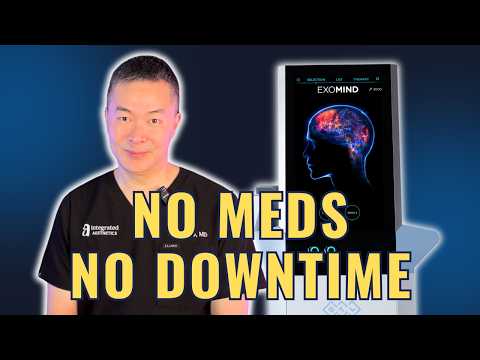

Real stories from real patients who found relief with TMS therapy.
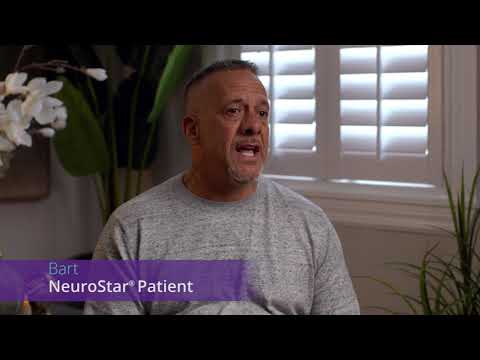
Bart's Story: From Medication to NeuroStar TMS
How Does TMS Actually Work?
Kelly's Story: Discovering NeuroStar & Clear Results
NeuroStar TMS: Finding Well-Being After Depression
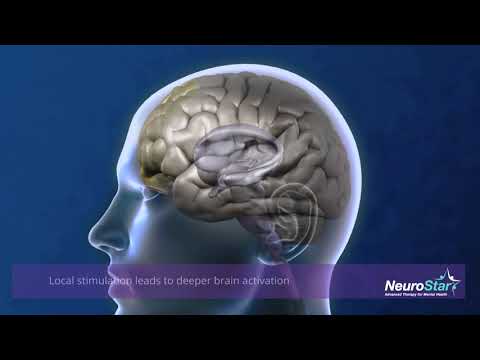
What is the Mechanism of Action in NeuroStar TMS Therapy?
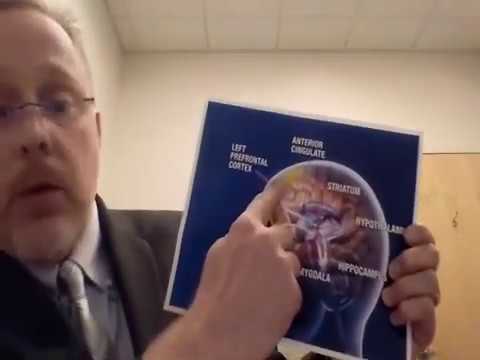
Signs and Symptoms of Depression — Dr. Geoffrey Grammer
Your Questions Answered
TMS (transcranial magnetic stimulation) therapy uses focused magnetic pulses to stimulate nerve cells in the prefrontal cortex, the brain region that regulates mood. At Refresh TMS, we use advanced Magstim Neuronavigation technology to target this region with precise, image-guided accuracy so stimulation is delivered exactly where it's needed at every session. These pulses activate underperforming neural circuits, gradually restoring healthy brain function without the need for medication or surgery.
Magstim Neuronavigation is an advanced image-guided targeting technology that helps us pinpoint the exact treatment site on your brain and position the coil with a high degree of accuracy. This precision means every pulse is delivered to the intended region, and your coil placement stays consistent from one session to the next. The result is a personalized, reproducible treatment plan tailored to your individual brain anatomy.
A standard TMS treatment course at Refresh TMS consists of 36 sessions over approximately nine weeks. You will attend five sessions per week for six weeks, followed by a tapering period. Dr. Francis monitors your progress and may adjust the schedule based on your individual response.
Most patients describe a tapping or clicking sensation on the scalp during treatment. This sensation may be mildly uncomfortable during the first few sessions but typically diminishes as treatment progresses. Because Magstim Neuronavigation guides precise coil placement, treatment stays focused on the intended target with consistent positioning from session to session. No anesthesia or sedation is required, and most patients relax comfortably during sessions.
Yes, most major insurance plans and Medicare cover TMS therapy for depression when medical-necessity criteria are met. Coverage typically requires documentation of inadequate response to at least two antidepressant medications. Our team handles insurance verification and prior authorization on your behalf.
TMS is FDA-cleared for major depressive disorder, obsessive-compulsive disorder (OCD), and anxious depression. At Refresh TMS, Dr. Francis also offers related treatments including Exomind brain stimulation and psychiatric medication management for comprehensive mental health care.
Yes. TMS therapy was specifically developed for patients who have not responded to traditional antidepressants. Clinical studies show response rates of approximately 50 to 60 percent in treatment-resistant populations, with many patients achieving full remission of depressive symptoms.
The most common side effects are mild scalp discomfort and headache, both of which typically resolve within the first week. Unlike antidepressant medications, TMS does not cause weight gain, sexual dysfunction, or fatigue. Seizure risk is extremely rare, occurring in fewer than 0.1 percent of patients.
Absolutely. Many patients continue their current psychiatric medications during TMS treatment. Dr. Francis may also recommend combining TMS with individual therapy or pharmacogenomic testing to optimize your overall treatment plan and medication selection.